
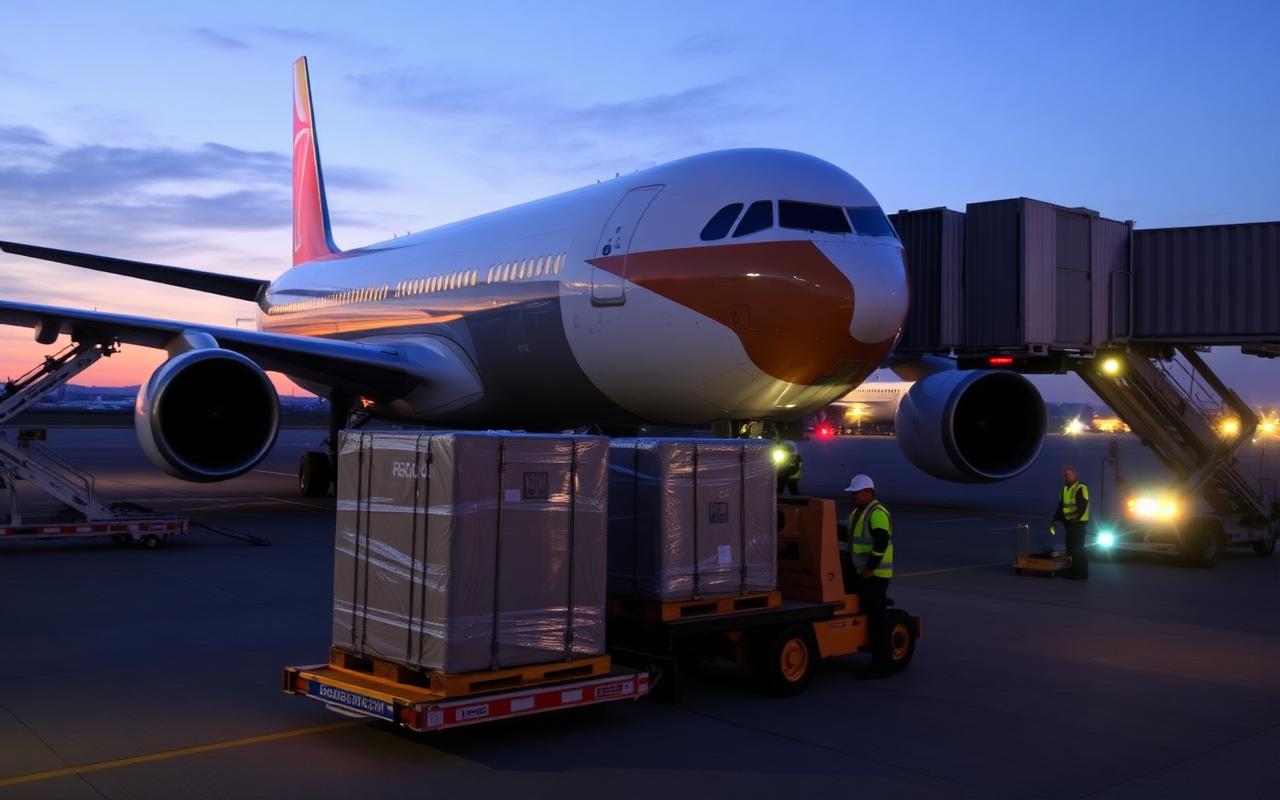
Air versus ground is rarely a one-time decision — it's a lane-by-lane discipline. The shippers who optimize freight spend treat the choice as a function of distance, time sensitivity, weight, and total landed cost. Get the framework right and you stop overpaying for air and stop missing deadlines on ground.
The simple decision rules
Three rules cover 90% of cases: distance over 1,500 miles with delivery in under 48 hours favors air; weight over 5,000 pounds favors ground unless time-critical; high-value, low-density freight (electronics, biologics, aerospace components) often favors air on a landed-cost basis.
Why air wins more than people assume
Modern domestic air freight is cheaper than it was a decade ago and faster than most shippers realize. Same-day and next-flight-out service from major hubs (DFW, ATL, MEM, ORD) cover the U.S. in hours. For 200–1,500 pound shipments with hard windows, the total cost often beats expedited ground when you include the cost of a missed deadline.
Where ground still wins decisively
Bulk freight, palletized loads over 1,500 pounds, regional moves under 500 miles, and any shipment where the receiving dock can't accept airport-to-door handoffs. Ground also wins on price for anything with 2+ days of available transit time.
Building a hybrid program
The strongest freight programs blend modes: ground as the default, expedited ground for time-sensitive regional moves, and air for cross-country urgency. Pre-negotiated air-charter capacity with a regional partner means an air option is available in 90 minutes when ground can't deliver.
Related Services
How DDC can help
Ready to talk?
Need reliable logistics support?
Our Dallas dispatch team is staffed 24/7. Get a quote in minutes or speak with a logistics expert now.