
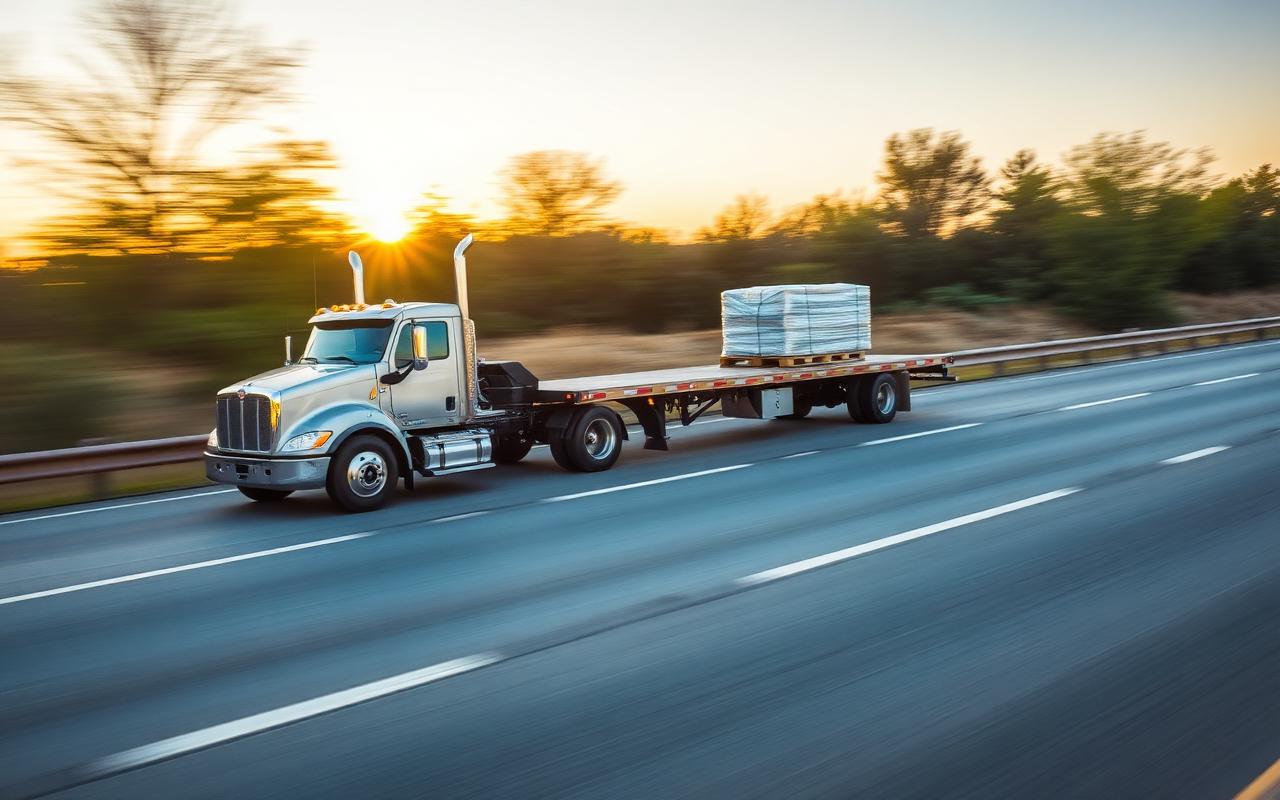
Hotshot trucking sits in a sweet spot most freight buyers underutilize: faster and more flexible than a Class-8, larger and cheaper than parcel or courier. For 1–3 pallet loads on a tight deadline, nothing else combines speed, cost, and equipment availability the way hotshot does. The trick is knowing when to call for it.
What exactly is hotshot trucking?
Hotshot freight moves on Class-3 through Class-5 pickup trucks pulling gooseneck or bumper-pull flatbed trailers, typically 30 to 40 feet long with payload capacity of 8,000 to 16,500 pounds. The equipment is everywhere, the driver pool is large, and the regulatory profile (under CDL or Class-A as required) makes capacity easier to scale than full truckload.
When to use hotshot
Hotshot wins in three scenarios: 1–3 pallets needing to move 50–600 miles in under 24 hours; oversized parts that don't palletize cleanly but don't need a Class-8; or critical equipment moves where flatbed access matters more than enclosed protection.
When to use something else
For full pallets of high-value enclosed freight, dedicated dry van wins. For single envelopes or small parcels, courier or air. For 4+ pallets, LTL or volume LTL is usually cheaper unless the deadline is hard.
Why regional networks dispatch hotshot fastest
Hotshot trucks are everywhere, but the dispatch infrastructure that knows which driver is available, where, and with what equipment is concentrated in regional carriers who run dedicated hotshot programs. A single phone call to a regional dispatcher beats an hour of board-watching on a load board.
Pricing realities
Hotshot pricing typically runs $1.75–$3.00 per loaded mile depending on weight, deadhead, and urgency, with a floor on short moves. For shippers running recurring hotshot lanes, contracted rates 15–25% below spot are achievable with a regional partner.
Related Services
How DDC can help
Ready to talk?
Need reliable logistics support?
Our Dallas dispatch team is staffed 24/7. Get a quote in minutes or speak with a logistics expert now.