
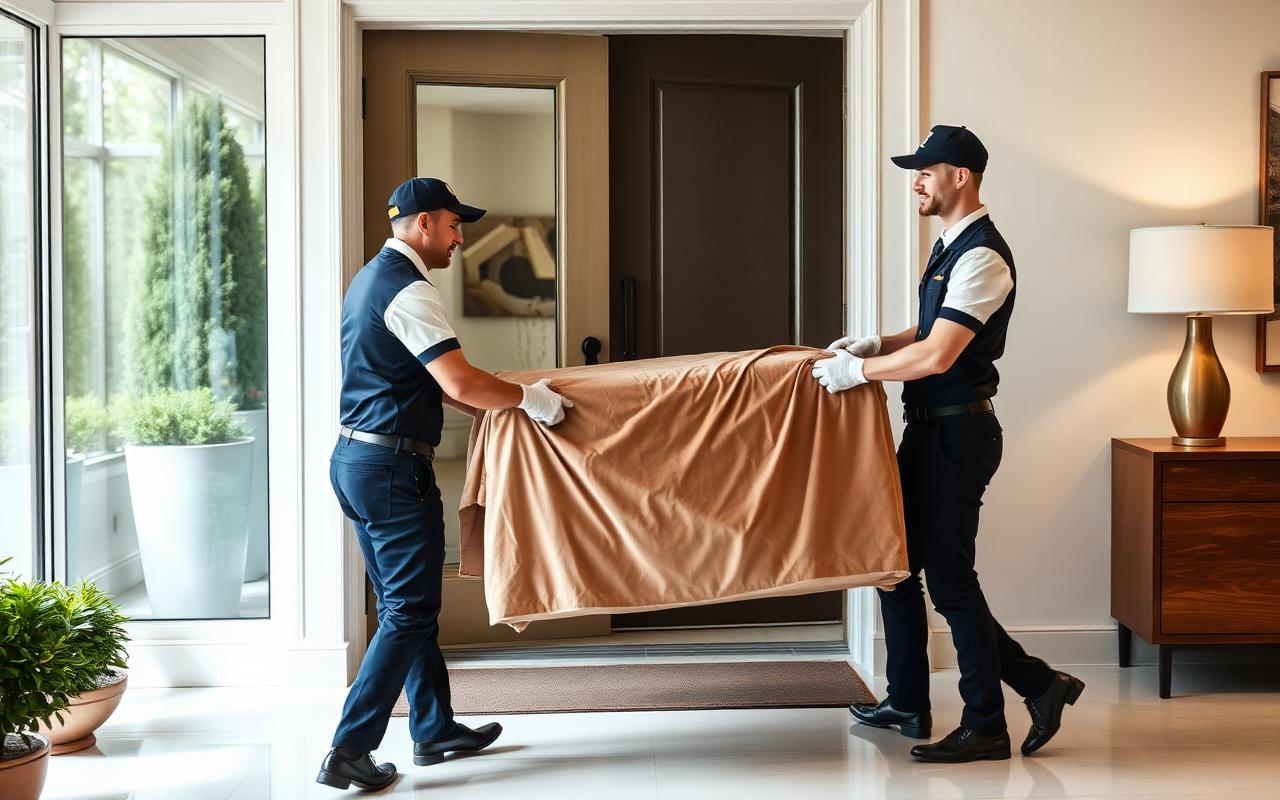
White-glove delivery is theater and logistics in equal measure. The crew that walks through the customer's front door becomes the brand for fifteen minutes — and one scratched floor or rushed installation can erase a quarter of marketing impressions. The brands that grow profitable direct-to-home channels treat white-glove as a product, not a line item, and they pick partners who think the same way.
Defining 'white-glove' clearly enough to operate against it
The term 'white-glove' covers everything from threshold drop to full assembly with debris removal. Before signing a contract, both sides should agree on a service level that defines: number of crew members, allowed access (curbside, threshold, room of choice, full placement), assembly scope, packaging removal, and customer signoff procedure.
A clear definition eliminates the most expensive white-glove failure: surprise expectations at the door.
The fundamentals every program needs
There are no shortcuts. Every high-functioning white-glove operation runs on the same operational basics.
Two-person crews, every delivery
Single-driver white-glove is a workplace safety issue and a property damage risk. Insist on two-person teams for anything over 50 pounds or requiring placement above the floor.
Branded, uniformed crews
The customer sees uniforms, vehicles, and ID badges before they see the product. Generic crews leak brand equity at the most expensive moment of the sale.
Blanket-wrapped, padded equipment
Furniture pads, hand trucks with padding, floor protection rolls, door jamb covers. The carrier brings the kit, not the customer.
Property documentation on file
COIs with the property manager, building access agreements, and elevator reservations should be confirmed before the truck rolls. Surprises cost reschedules.
Written customer acceptance
A signed checklist at the door — product condition, room placement, assembly complete, debris removed — closes the loop and protects both sides.
Where most white-glove programs fail
The failure points are predictable: rushed scheduling that forces 8-stop routes when 5 was the right number, untrained subcontractors hired week-of, missing tools for assembly, and no field manager available when an exception happens. Each of these is solvable with operational discipline — and a willingness to charge a price that reflects the real cost of doing it well.
Customer experience moments that drive repeat purchase
The brands that turn white-glove delivery into a marketing channel obsess over five customer-facing moments: the day-before SMS with the crew's photo and ETA window, the call-ahead 30 minutes out, the shoe covers going on at the threshold, the photo POD sent to the customer's inbox before the truck leaves, and the post-delivery survey within 24 hours. None of these are expensive; all of them are uncommon.
Choosing the right partner for your category
Furniture, appliances, fitness equipment, medical devices, and audio-visual installations each have category-specific requirements. A partner that does all of them equally is rare — and usually a generalist. Ask for category references, crew certifications (OSHA, EPA refrigerant handling for appliances, AVIXA for AV), and customer NPS in your specific vertical.
Then visit a delivery in your market before signing. The fifteen minutes you spend watching a crew work in a customer's home will tell you more than any RFP response.
Related Services
How DDC can help
Ready to talk?
Need reliable logistics support?
Our Dallas dispatch team is staffed 24/7. Get a quote in minutes or speak with a logistics expert now.