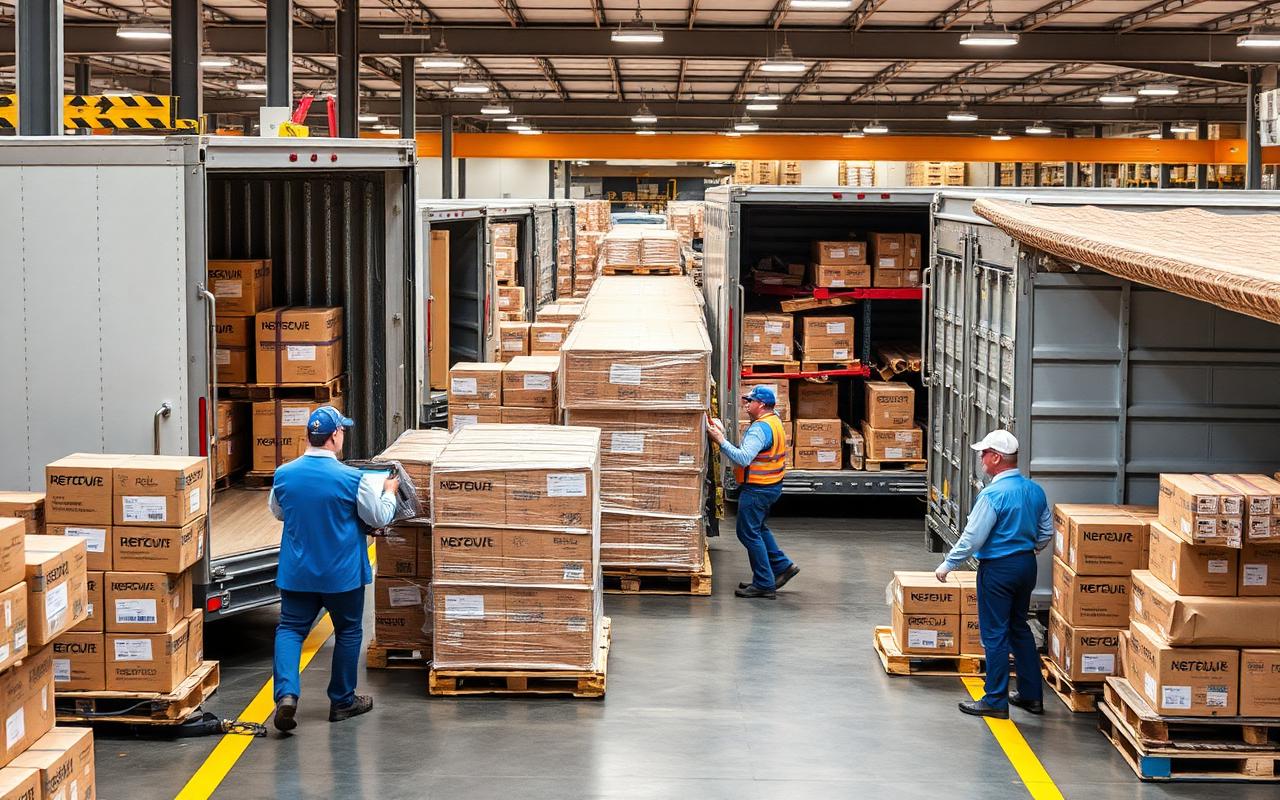
Forward logistics is built for speed and predictability. Reverse logistics — recovering equipment, returns, and leased assets — is built for chaos. The companies that recover assets at high rates without burning customer relationships treat asset recovery as a structured program, not an afterthought.
Why asset recovery is structurally harder
Origin is the customer, not a controlled DC. Pickup windows depend on the customer's availability. Equipment condition varies wildly. Documentation is often incomplete. Each variable compounds, and the typical carrier built for forward logistics struggles with all of them.
Operational fundamentals that work
Successful asset recovery programs share five practices: scheduled pickup windows confirmed with the customer 48 hours in advance, photo documentation of equipment condition at pickup, chain-of-custody scanning at every handoff, debrief notes captured by the driver on-site, and a 24-hour processing SLA at the receiving facility.
Customer experience is the recovery program
The customer who watched the equipment leave is the same customer the brand is trying to retain. A rushed, sloppy recovery erases everything the original delivery experience built. Insist on uniformed crews, branded vehicles, and the same service standard as forward delivery.
Reverse logistics technology
A modern reverse logistics program uses the same TMS, telematics, and POD systems as forward — with one addition: a customer-facing scheduling portal that lets the end customer pick a pickup window. The portal cuts no-show rates by half and reduces inbound call volume to dispatch.
Related Services
How DDC can help
Ready to talk?
Need reliable logistics support?
Our Dallas dispatch team is staffed 24/7. Get a quote in minutes or speak with a logistics expert now.