Retail distribution looks simple from outside: pick the right SKUs, load the trailer, deliver to the store. Inside the four walls, it's an operational symphony with tight delivery windows, EDI compliance scoring, chargeback exposure, and customers who notice when the shelf is empty. The brands winning at retail distribution treat it as a discipline, not a cost center.
What's harder about retail distribution in 2026
Three pressures have compounded over the last five years: tighter delivery appointment windows enforced by retail vendor compliance programs, expanded EDI requirements (214, 856, 990, 997, and increasingly 945), and OS&D tolerance that's effectively zero in major-chain contracts.
Together they mean a distribution operation that worked in 2020 is bleeding chargebacks in 2026. The fix is operational, not technological — though good technology helps.
The operational fundamentals
Strong retail distribution programs share five operational practices.
Dedicated drivers per chain
Drivers who know the DC dock procedure, the receiving manager, and the store back-door cadence run cleaner appointments and resolve issues faster.
Pre-built routes
Daily route plans built the night before, with appointment windows confirmed by EDI 990 before the truck leaves the yard.
EDI 214 status events
Real-time status events on departure, ETA, arrival, and POD eliminate the dreaded 'where's my load' call from the retailer.
Photo POD at every stop
A photo of the signed BOL plus a photo of the unloaded freight protects against chargebacks weeks later.
Cross-dock for store replenishment
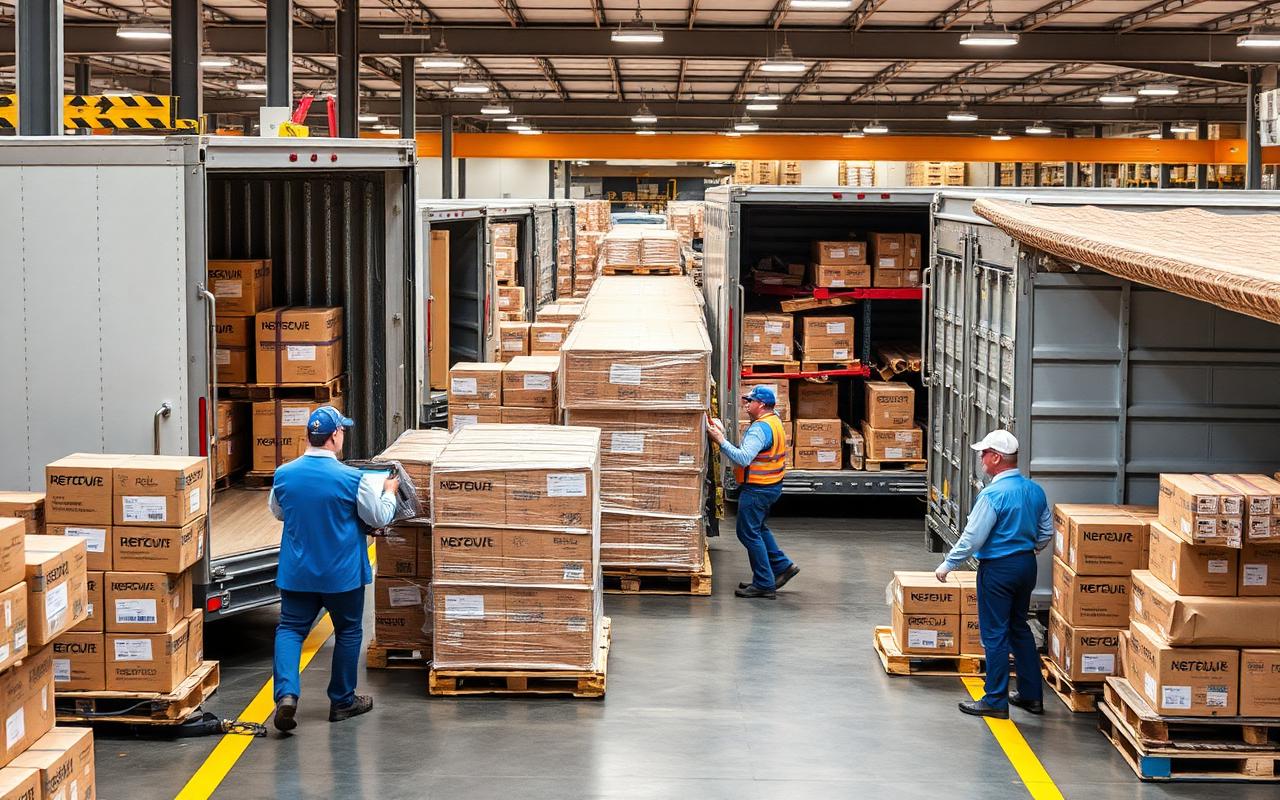
Cross-docking inbound bulk into store-level orders cuts handling cost and reduces damage versus traditional pick-pack.
Chargebacks are a leading indicator
Retailer chargebacks for missed appointments, EDI failures, and OS&D issues are no longer occasional surprises — they're a monthly P&L line. Treat them as a leading indicator: every chargeback is a process failure that will repeat unless the root cause is removed.
The discipline: weekly chargeback review with the carrier, root-cause coding on every event, and a 30-day improvement plan for any code that appears twice. Carriers that resist this conversation should be replaced.
Cross-dock economics that actually work
Cross-docking inbound truckload freight into store-level outbound shipments saves storage cost, reduces touch count, and speeds replenishment. The economics work when inbound is predictable, store orders are pre-allocated, and the cross-dock partner has the bay depth and dock count to handle simultaneous inbound and outbound.
A good cross-dock can turn a 4-day national lane into a 1-day store delivery, with lower damage and lower total handling cost than warehousing the SKUs.
Picking a retail distribution partner
Ask for these proof points: current customer references at the same retail chains you serve, EDI integration certifications, chargeback rate by chain (not blended), and a sample weekly compliance report. Carriers operating to a retail-grade standard produce these in a day; the ones that can't are quoting you on capacity, not capability.
Related Services
How DDC can help
Ready to talk?
Need reliable logistics support?
Our Dallas dispatch team is staffed 24/7. Get a quote in minutes or speak with a logistics expert now.